
With the dawn of electric vehicles (EVs) in the Indian automotive market, safety has become a prime focal point. Both potential buyers and enthusiasts are keen on understanding how these next-gen vehicles fare when it comes to safety ratings, crash test results, and advanced safety features. Let’s delve into this critical aspect of the Indian EV revolution.
Safety Ratings of Prominent Indian EVs
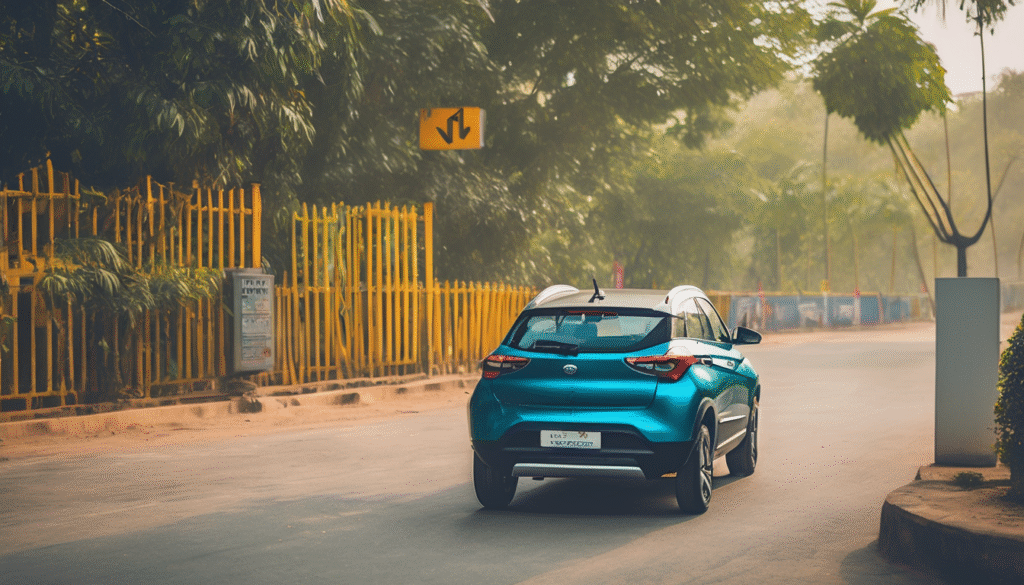
When it comes to safety, Indian EVs have shown promising results. For instance, Tata Nexon EV, one of the most popular electric SUVs in the country, has been awarded a 5-star safety rating by the Global NCAP. This is testament to the high standards of safety that Indian EV manufacturers are striving for.
Similarly, the MG Comet EV and Ather 450X have also received commendable safety ratings, showcasing their robust build and emphasis on rider safety.
Crash Test Results: A Key Indicator of Safety
Crash test results play a crucial role in assessing the safety of a vehicle. These tests simulate various crash situations to evaluate the vehicle’s strength and the level of protection it can offer to its occupants. The reassuring fact is that Indian EVs have been performing well in these crash tests, adding another layer of trust for potential buyers.
Advanced Safety Features in Indian EVs
Indian EVs are not only excelling in safety ratings and crash tests, but they also come equipped with advanced safety features. These include:
- Anti-Lock Braking System (ABS)
- Electronic Stability Control (ESC)
- Hill Start Assist
- Rear Parking Sensors
- High-Speed Alert System
Upcoming EV models are expected to incorporate even more advanced features such as Autonomous Emergency Braking (AEB), Lane Keep Assist (LKA), and Adaptive Cruise Control (ACC).
Charging Infrastructure and Safety
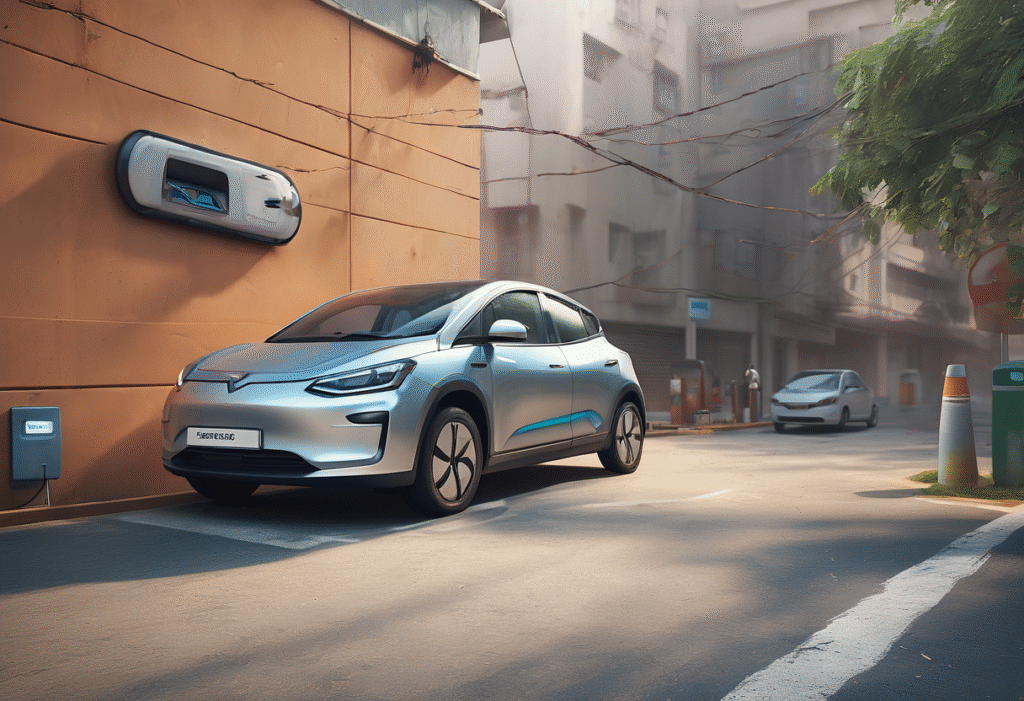
As the EV market in India grows, there’s a parallel focus on developing a robust and safe charging infrastructure. The Indian government, under the FAME II scheme, has taken initiatives to establish EV charging stations across the country. These charging stations come with safety mechanisms such as overcharge and short circuit protection, ensuring a safe charging experience for users.
Government Policies and Incentives
The Indian government’s pro-EV policies, particularly the FAME II scheme, have played a pivotal role in fostering the EV ecosystem. Incentives such as subsidies on EV purchase, tax rebates, and financial support for charging infrastructure have made EVs an attractive proposition for the Indian consumer.
FAQs
- Are Indian EVs safe?
Yes, Indian EVs such as the Tata Nexon EV, MG Comet EV, and Ather 450X have received high safety ratings, reflecting their robust build and safety features. - What safety features are common in Indian EVs?
Common safety features in Indian EVs include ABS, ESC, Hill Start Assist, Rear Parking Sensors, and High-Speed Alert System. - What is the Indian government doing to promote EVs?
The Indian government has launched the FAME II scheme, offering incentives such as subsidies on EV purchase, tax rebates, and financial support for charging infrastructure development.
As we step into a greener and more sustainable future with EVs, it’s reassuring to know that safety isn’t being compromised in this shift. So, whether you’re an EV enthusiast or a potential buyer, it’s a great time to embrace this change and be a part of the EV revolution. Stay updated with the latest EV launches, market trends, and much more, right here.