
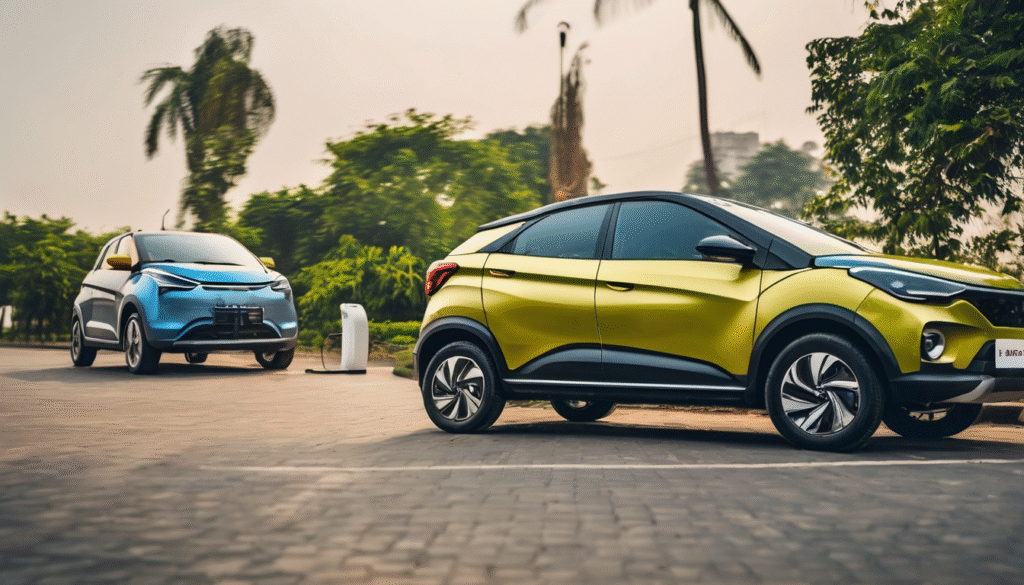
Embracing the Future of Mobility: The Indian EV Scene
The future of mobility in India is electric. With the Indian government’s consistent push towards electric vehicles (EVs), the landscape of the Indian automobile industry is undergoing a transformation. The government’s concerted efforts are visible in the form of attractive subsidies, tax benefits, and robust policies, all aimed at promoting the adoption of EVs across the country.
Breaking Down the Benefits: Government Subsidies and Incentives
The Indian government has rolled out a host of subsidies and incentives to make EVs a viable choice for consumers. The Faster Adoption and Manufacturing of (Hybrid &) Electric Vehicles in India (FAME II) scheme is a testament to this commitment.
FAME II, with its outlay of ₹10,000 crores, focuses on incentivizing electric two-wheelers, three-wheelers, and four-wheelers used for commercial purposes and public transport. This initiative aims to encourage the production and purchase of electric vehicles and is a significant factor contributing to the surging popularity of vehicles like the Tata Nexon EV, Ola S1, and Ather 450X in the Indian market.
Under this scheme, the government provides subsidies based on the battery capacity of the EV, with ₹10,000 given for each kWh. Consequently, EVs like the Tata Nexon EV, which has a 30.2 kWh battery, can avail a subsidy of up to ₹1.5 lakhs.
Upcoming EV Cars and Bikes: A Sneak Peek
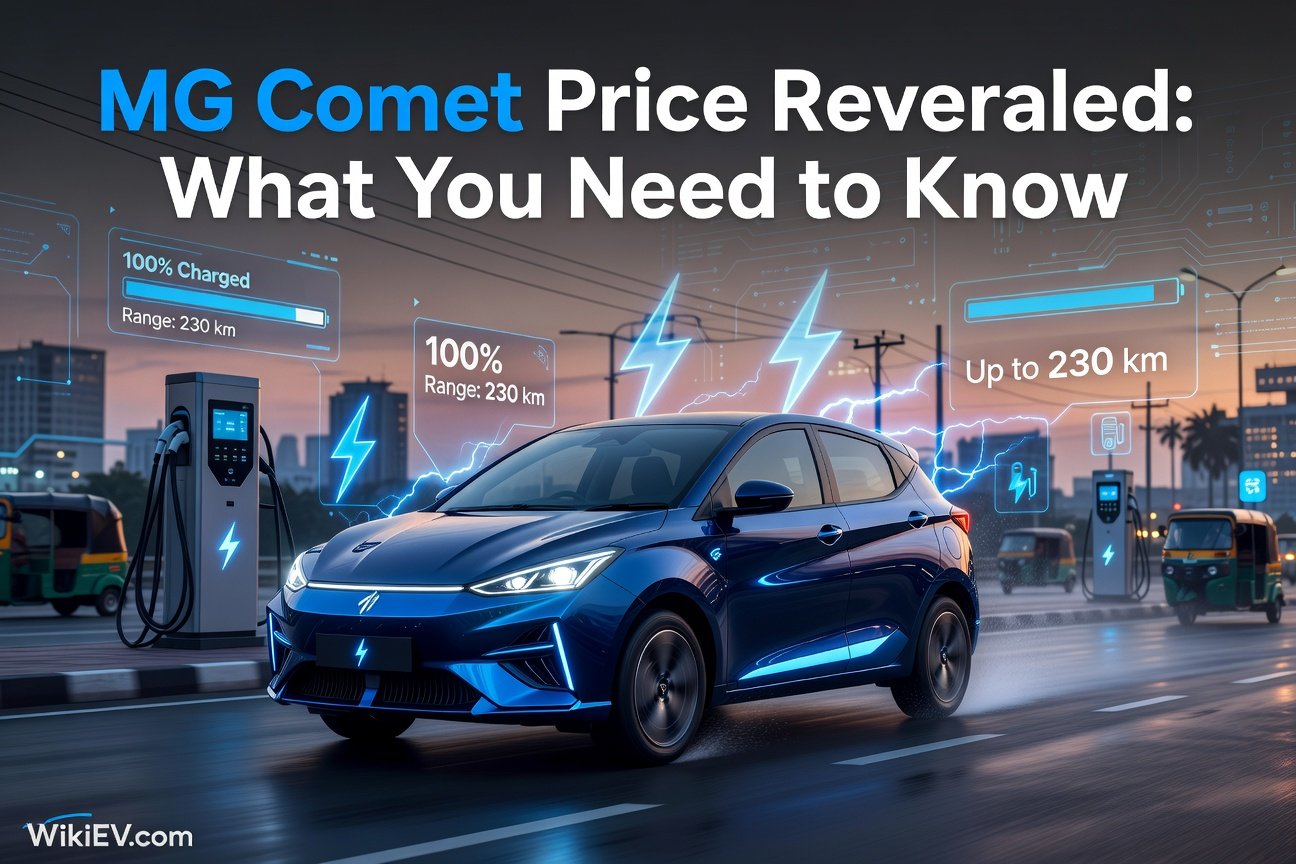
With the EV market in India gaining momentum, several automotive giants are preparing to launch their electric offerings. Notable among these is the MG Comet EV, a luxury electric SUV expected to hit the Indian roads soon.
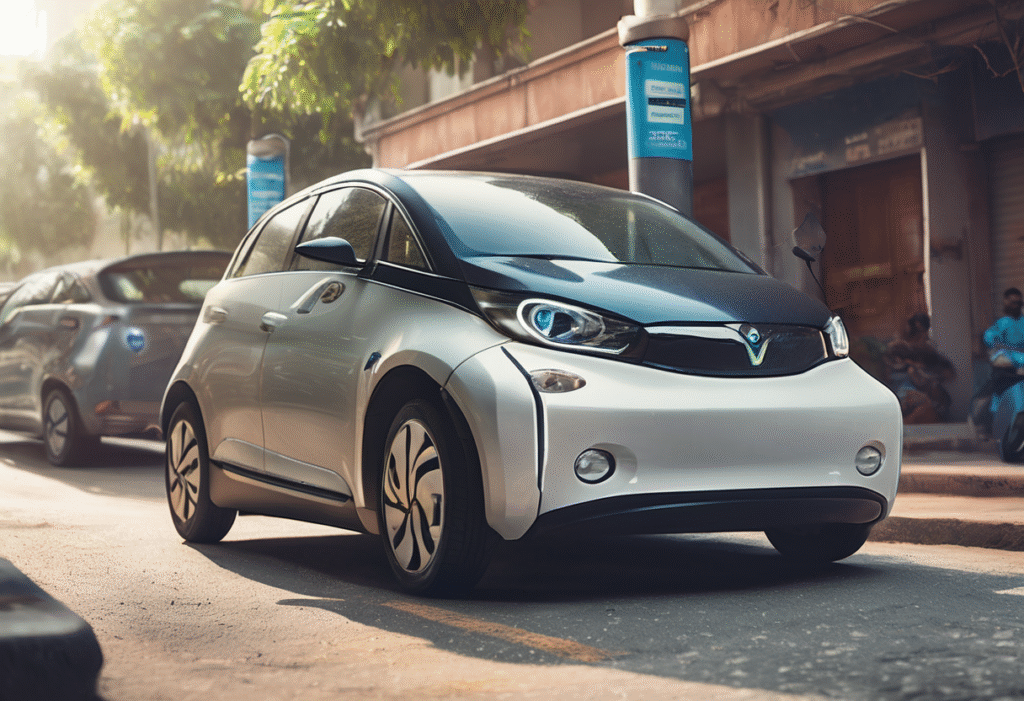
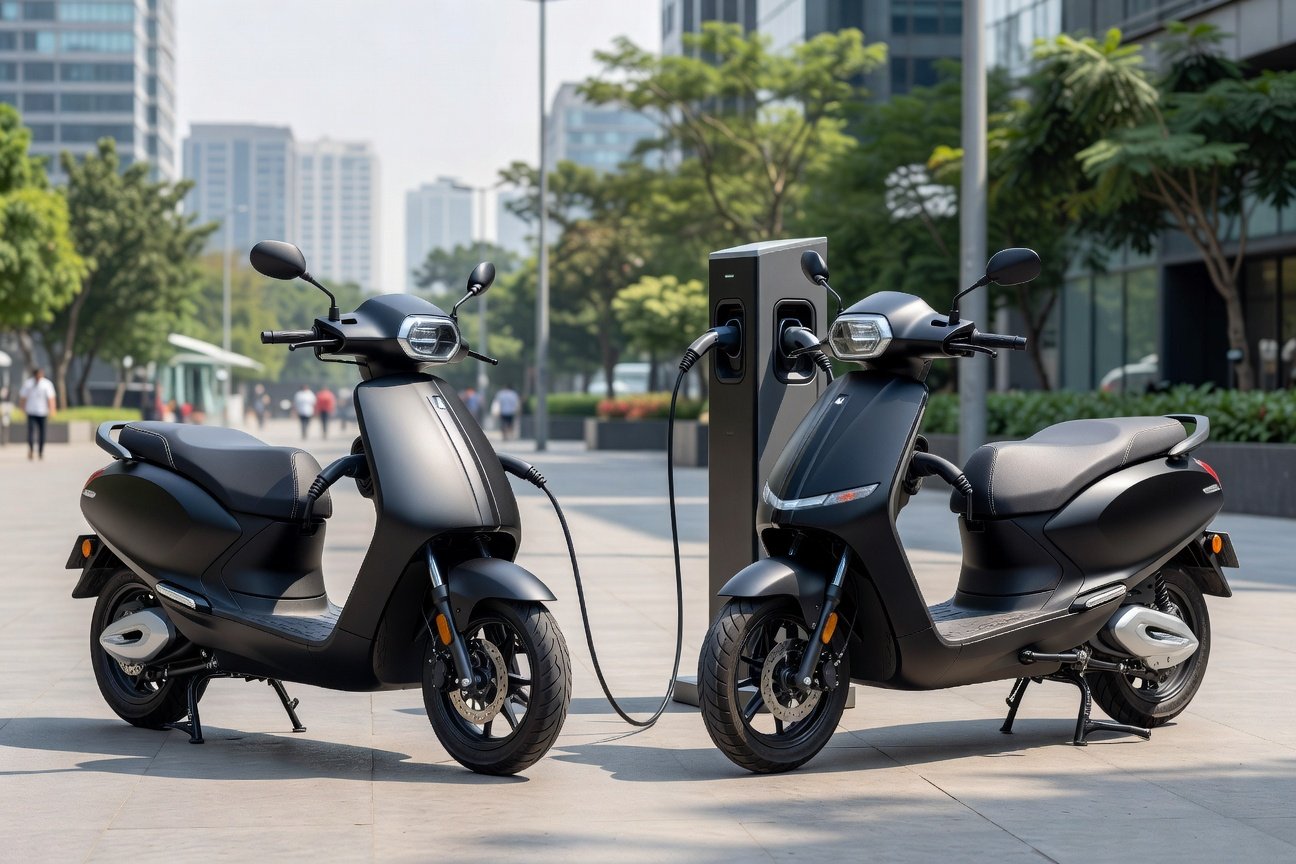
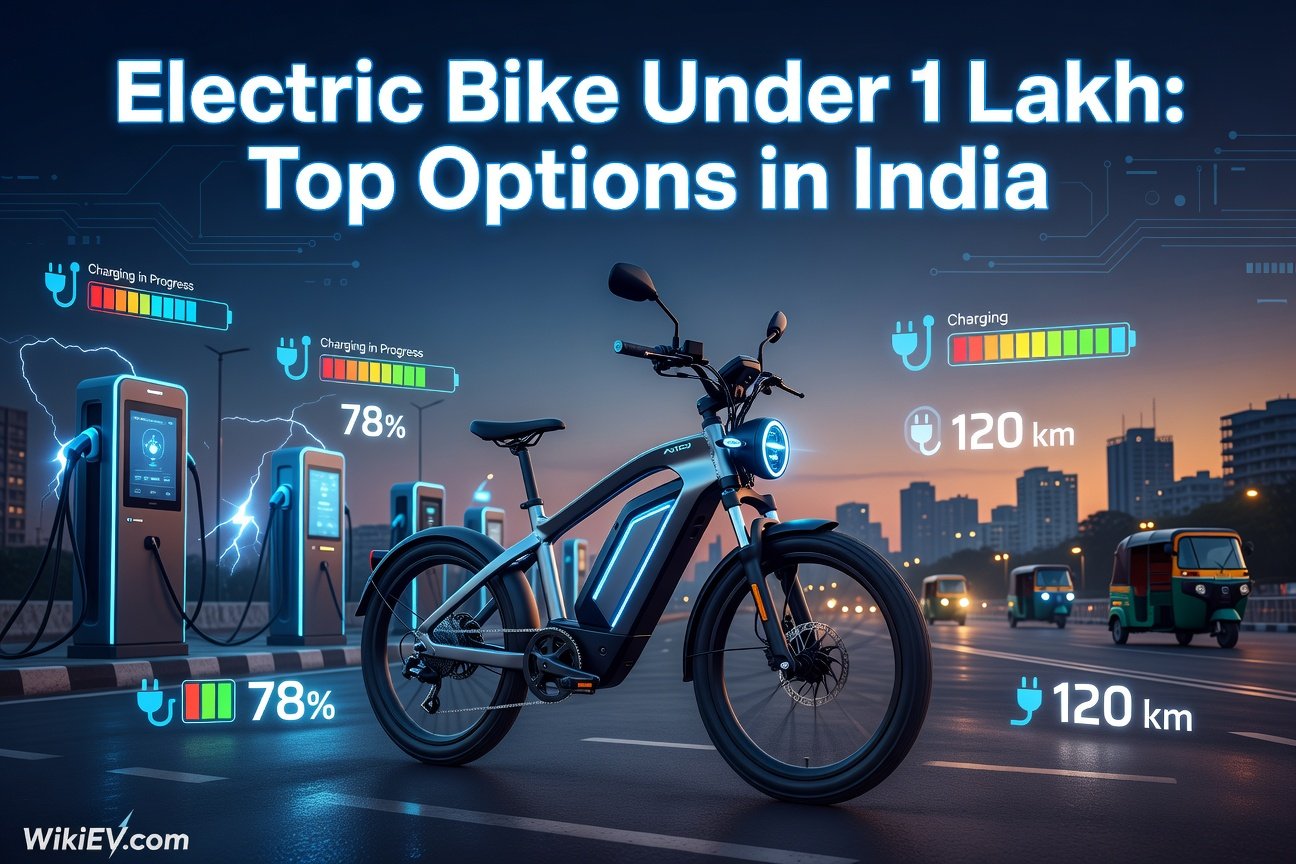
On the two-wheeler front, the Ola S1 and Ather 450X have made substantial waves, revolutionizing the electric scooter segment in India. The Ather 450X, in particular, has gained recognition for its impressive top speed, rapid charging, and long-range capabilities.
Charging Infrastructure: The Road Ahead
For widespread EV adoption, a robust charging infrastructure is crucial. Recognizing this, the Indian government has made significant strides in developing EV charging stations across the country. Aiming to ensure an EV charging station every 3 km in cities and every 25 km on both sides of highways, the government is leaving no stone unturned to make EVs a practical choice for the Indian populace.
FAQs About Indian EVs
1. What is the range of the Tata Nexon EV?
The Tata Nexon EV, one of India’s most popular electric cars, boasts a range of up to 312 km on a single charge.
2. How long does it take to charge the Ola S1?
The Ola S1 can be charged from 0 to 100% in approximately 6 hours using a home charger. However, with Ola’s Hypercharger, it can be charged up to 50% in just 18 minutes.
3. What are the top speed and range of the Ather 450X?
The Ather 450X can reach a top speed of 80 km/h and has a range of up to 116 km in Eco mode.
Wrapping Up: The Call of the Electric
With the Indian government’s unwavering support and the advent of cutting-edge EVs like the Tata Nexon EV, Ola S1, and Ather 450X, the electric revolution is indeed here. It’s time to embrace this change and contribute to a greener future. Explore the latest EV launches and be a part of this exciting journey towards sustainable mobility.