
Introduction
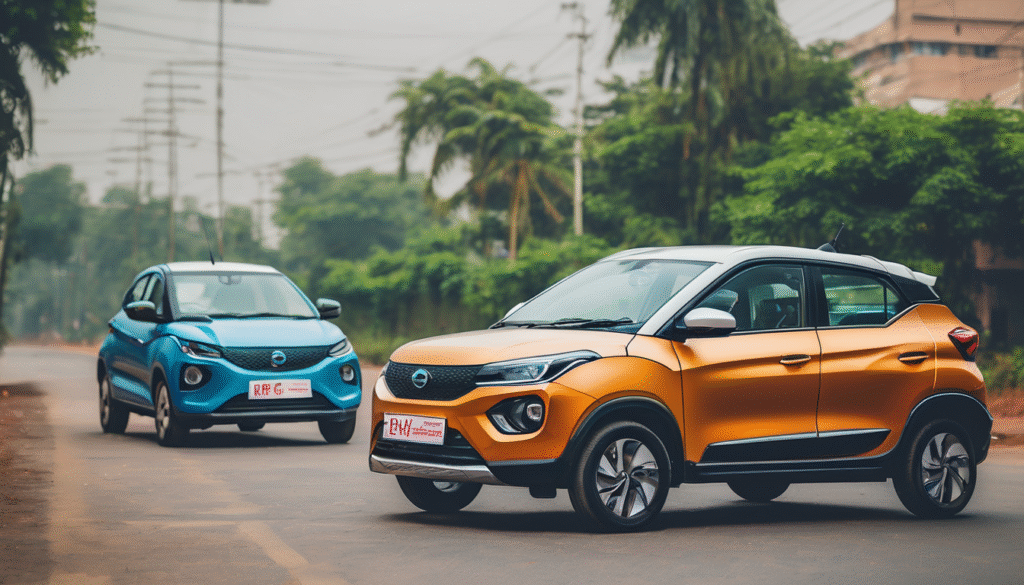
As the electric mobility revolution gains momentum in India, a multitude of questions arise, particularly regarding the range performance of electric vehicles (EVs). This is a critical factor for potential EV owners, who need to understand how far they can travel on a single charge. In the Indian context, this question becomes even more pertinent considering the traffic conditions, varying road quality, and diverse weather conditions.
Understanding EV Range
The electric vehicle range refers to the distance an EV can travel on a single charge. Popular models like the Tata Nexon EV, MG ZS EV, and the Hyundai Kona Electric, boast impressive ranges. However, the actual range can vary based on multiple factors such as driving habits, vehicle load, use of air conditioning and heating, weather conditions, and road terrain.
EV Range in Indian City Traffic
The stop-and-go nature of city traffic can actually benefit EVs, thanks to a feature known as regenerative braking. This system converts the energy produced during braking into electricity, which is then stored in the battery for later use. The Tata Nexon EV, for instance, harnesses this technology to maximize its range in city traffic.
EV Range on Indian Highways
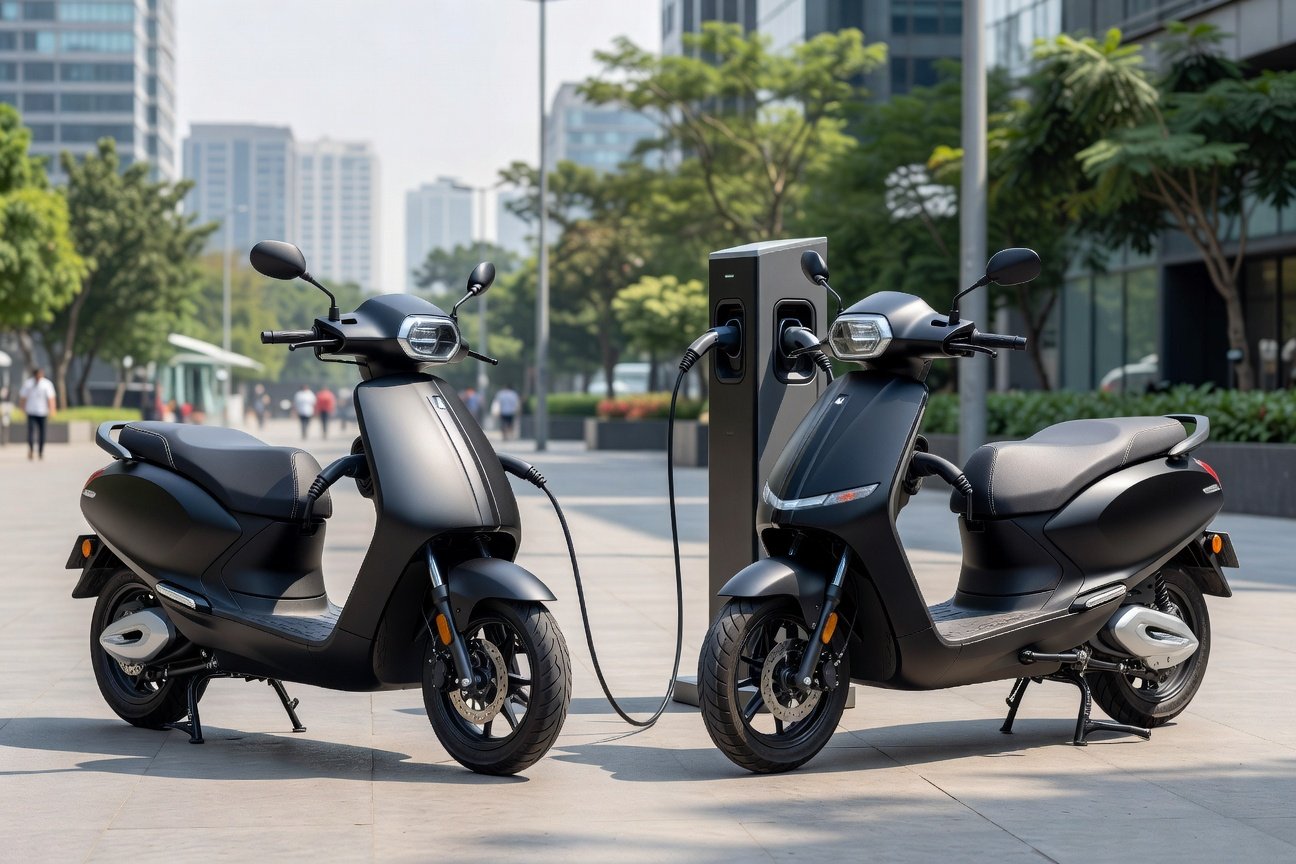
On highways, EVs often have to maintain higher speeds, which can lead to faster battery drain. However, modern EVs like the Ather 450X and Ola S1 are designed to maintain optimal efficiency even at high speeds. Always remember to plan your journey around the available charging infrastructure to ensure a smooth and hassle-free trip.
Tips for Better Efficiency on Long Trips
- Drive smoothly: Sudden acceleration and deceleration can drain the battery faster. Maintain a steady speed for optimal energy consumption.
- Use regenerative braking: Make the most of this feature to recharge your battery while driving.
- Limit the use of heating and air conditioning: These systems can consume a significant amount of energy. Use them judiciously to conserve battery power.
- Keep your EV well-maintained: Regular servicing and timely replacement of worn-out parts can enhance your EV’s efficiency and range.
Charging Infrastructure in India
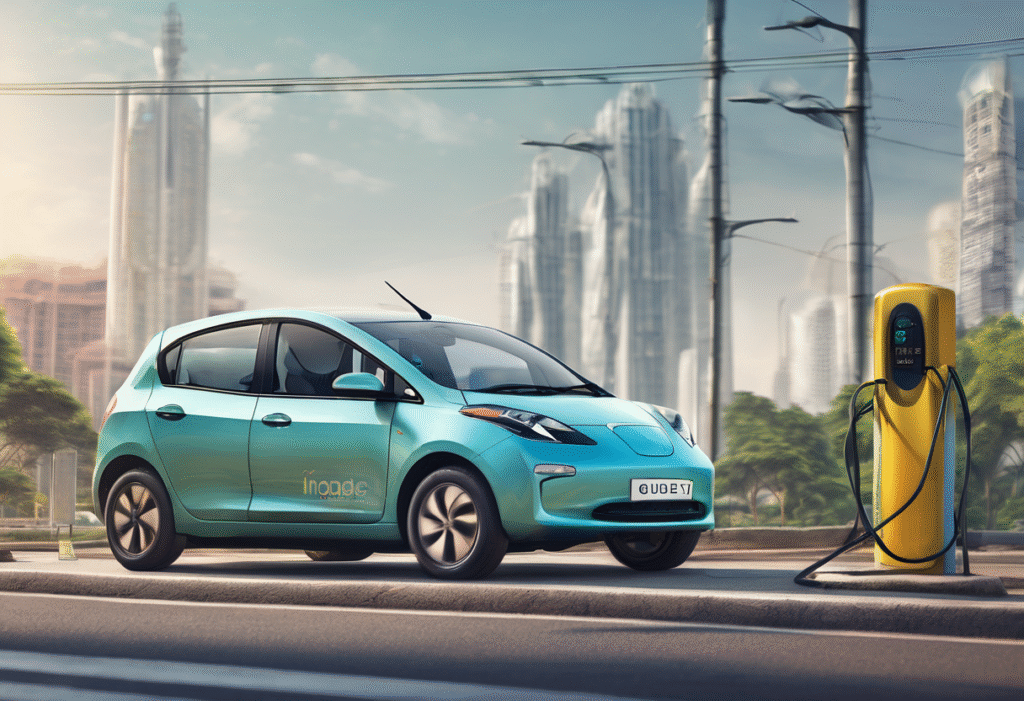
The Indian government, under its FAME II policy, is working aggressively to expand the country’s EV charging infrastructure. The aim is to ensure that a charging station is available every 25 km on highways and within 3 km in cities. This is a significant move towards making EVs a practical option for Indian consumers.
FAQs
- Are EVs more expensive to maintain? No, in fact, EVs have fewer moving parts than traditional vehicles, which often results in lower maintenance costs.
- What is the average life of an EV battery? Most EV manufacturers offer a battery warranty of 8 years or 160,000 km. However, with proper maintenance, the battery can last much longer.
- Can I charge my EV at home? Yes, most EVs come with a home charging kit, allowing you to charge your vehicle overnight.
Conclusion
Embracing the electric mobility revolution can not only help us reduce our carbon footprint but also lead to significant savings in the long run. With the advent of newer, high-range models like the MG Comet EV and the continuous expansion of charging infrastructure, the future of EVs in India indeed looks promising.
Ready to join the revolution? Check out the latest EV launches and find the perfect fit for your needs. Let’s drive into a cleaner, greener future, together!