
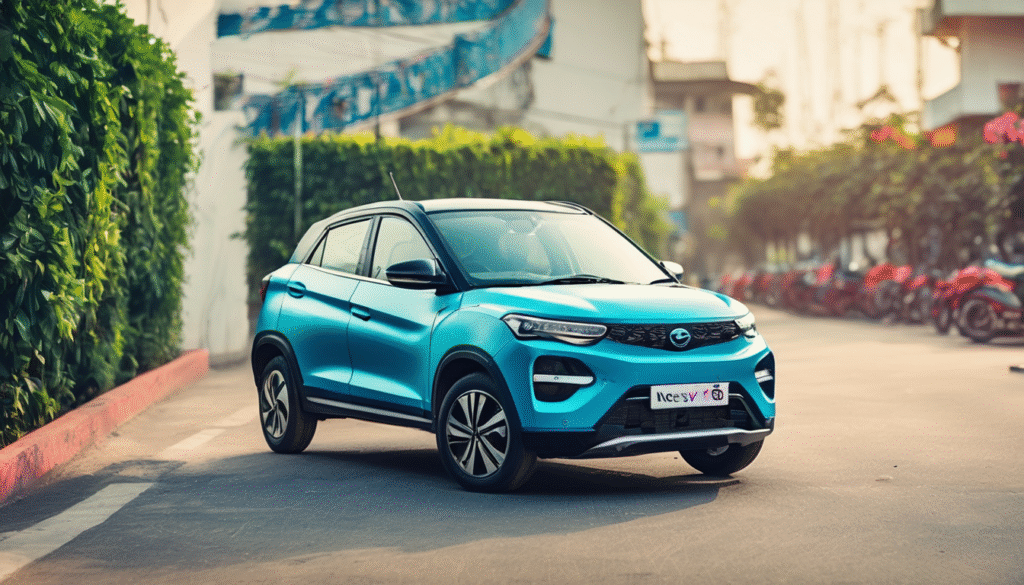
As the dawn of electric vehicles (EVs) ushers in a new era of transportation in India, a wave of misconceptions has surged alongside. From concerns about range to apprehensions about charging time, cost, and battery replacement, hearsay often overshadows hard facts. This article aims to clear the air and debunk common myths associated with EVs in the Indian context.
Myth 1: EVs Don’t Have Enough Range
One of the prevalent myths is that EVs fall short when it comes to range. However, the truth is quite the contrary. For instance, the Tata Nexon EV, a popular Indian electric SUV, boasts a certified range of 312 km, making it suitable for both city commutes and intercity travels. Similarly, the Ola S1 electric scooter offers an impressive range of 121 km on a single charge, catering to the everyday needs of Indian consumers.
Myth 2: Charging EVs Is Time-Consuming
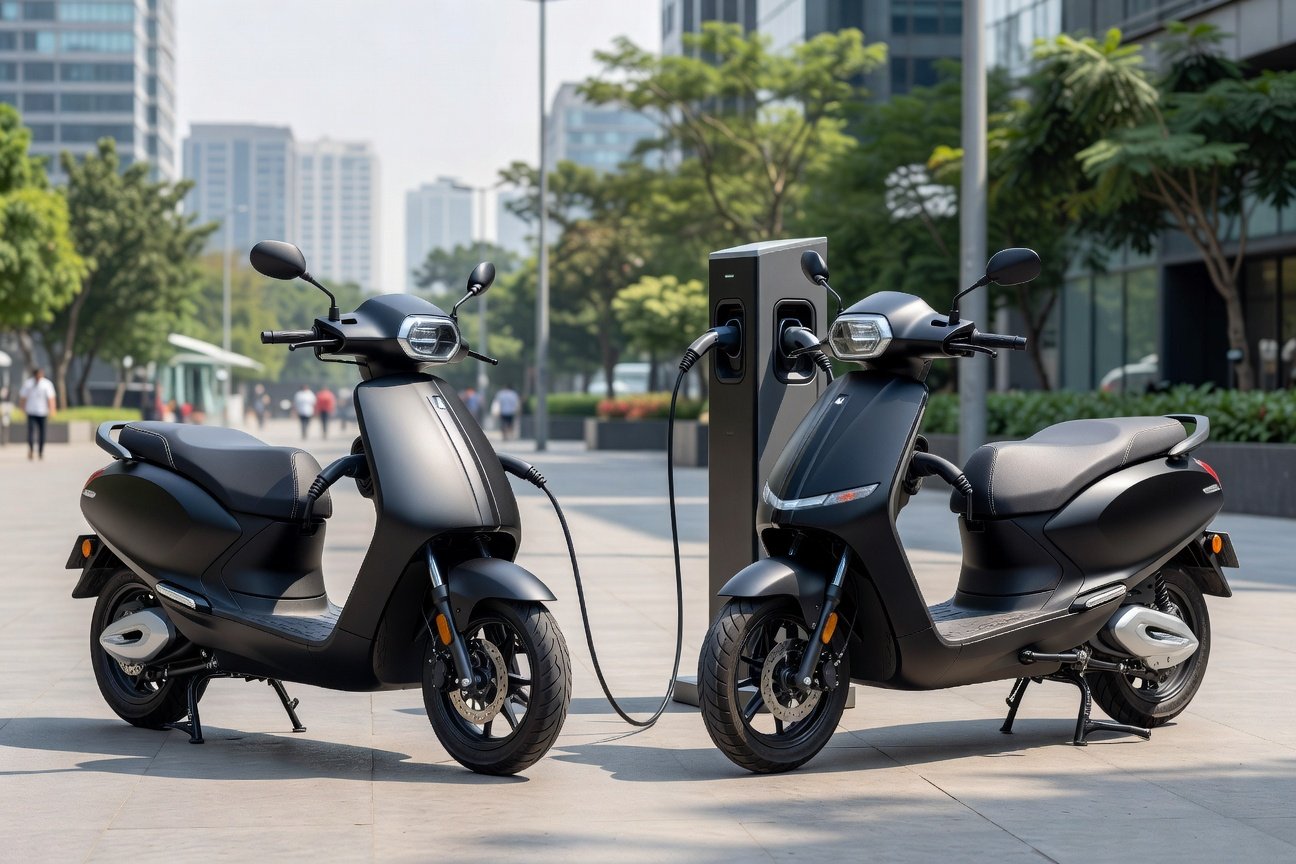
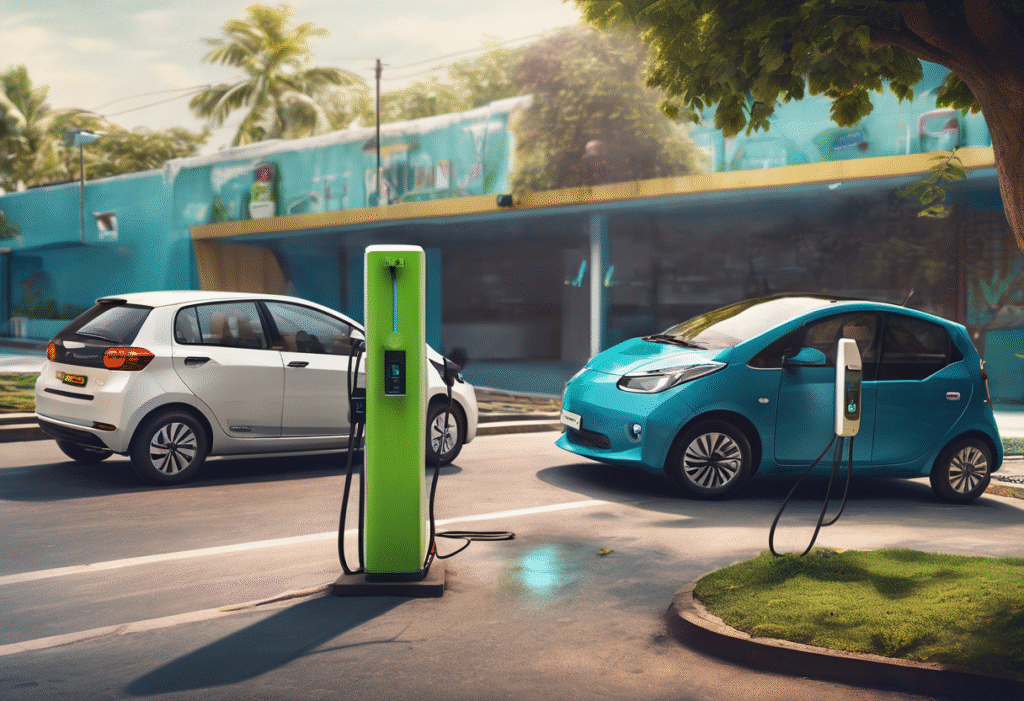
Many believe that charging an EV is a lengthy process, but advancements in technology have significantly reduced charging times. Fast-charging stations can power up vehicles like the Ather 450X and MG ZS EV to 80% within just 60 minutes. Moreover, with the proliferation of EV charging stations across India, finding a place to recharge is becoming increasingly convenient.
Myth 3: EVs Are Too Expensive
While the initial cost of EVs may be higher than conventional vehicles, the total cost of ownership (TCO) is considerably lower. Electric vehicles have fewer moving parts, leading to lower maintenance costs. Additionally, the cost of electricity is much less than petrol or diesel, leading to substantial savings in the long run. The Indian government’s FAME II incentives further enhance the affordability of EVs, making them a viable option for the Indian populace.
Myth 4: Battery Replacement Is Costly
Yes, replacing an EV battery can be pricey. However, most EV manufacturers in India offer warranty periods extending up to eight years, ensuring that customers need not worry about replacements for a significant duration. Moreover, the life expectancy of EV batteries is improving, thanks to advancements in technology.
Upcoming EVs in India
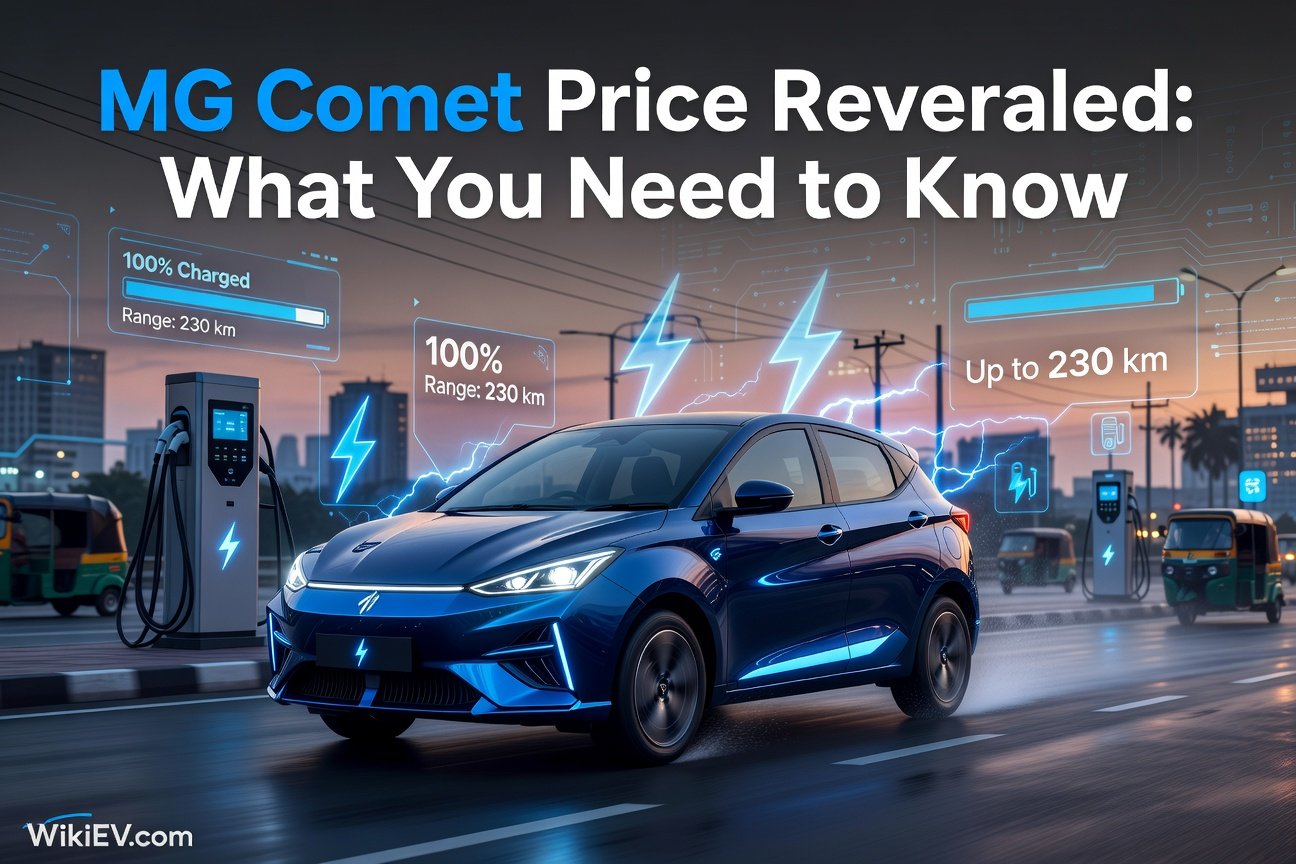
The Indian EV market is set for an exciting period with numerous launches lined up. From the much-anticipated MG Comet EV to a range of electric vehicles from mainstream manufacturers, the future is electric.
Government Policies and Infrastructure
The Indian government’s proactive approach towards promoting EVs is noteworthy. The FAME II scheme offers incentives on the purchase of electric vehicles, while substantial investments are being made in expanding the charging infrastructure across the country. As of 2021, there are over 1,800 public EV charging stations in India, with the government aiming to increase this number exponentially in the coming years.
Frequently Asked Questions About EVs
- What is the average life expectancy of an EV battery in India?
- What is the cost of charging an EV in India?
- What incentives does the Indian government offer for EVs?
- How many EV charging stations are there in India?
- What are some of the upcoming EV launches in India?
To conclude, EVs are revolutionizing the Indian automobile industry, offering an eco-friendly and cost-effective alternative to conventional vehicles. It’s high time to unplug the myths and plug into the reality of EVs. So, why wait? Explore the latest EV launches and make a smart, sustainable choice today!