
Introduction
As the Indian automotive market transitions towards electric mobility, the safety aspect of Electric Vehicles (EVs) has become a subject of critical consideration for potential buyers. If you’re grappling with questions about EV safety standards, crash test results, and advanced safety features, this comprehensive guide will serve as your ready reckoner. Let’s delve into the world of Indian EVs and their safety norms.
Understanding EV Safety Ratings in India
Indian EVs, like their fuel-driven counterparts, undergo stringent safety tests conducted by agencies such as the Global New Car Assessment Programme (GNCAP). These tests evaluate the vehicle’s structural integrity, occupant protection and safety features, among other parameters. The results are then translated into star ratings, with five stars being the highest.
Crash Test Results: Indian EVs under the Scanner
Let’s look at some Indian EVs and their GNCAP ratings:
- Tata Nexon EV: The first Indian EV to undergo the GNCAP tests, it received a full five-star rating for adult occupant protection.
- MG ZS EV: This SUV also boasts impressive safety credentials, although it hasn’t been tested by GNCAP yet.
Advanced Safety Features in Indian EVs
Indian EVs are increasingly equipped with advanced safety features, enhancing passenger safety. Some of these include:
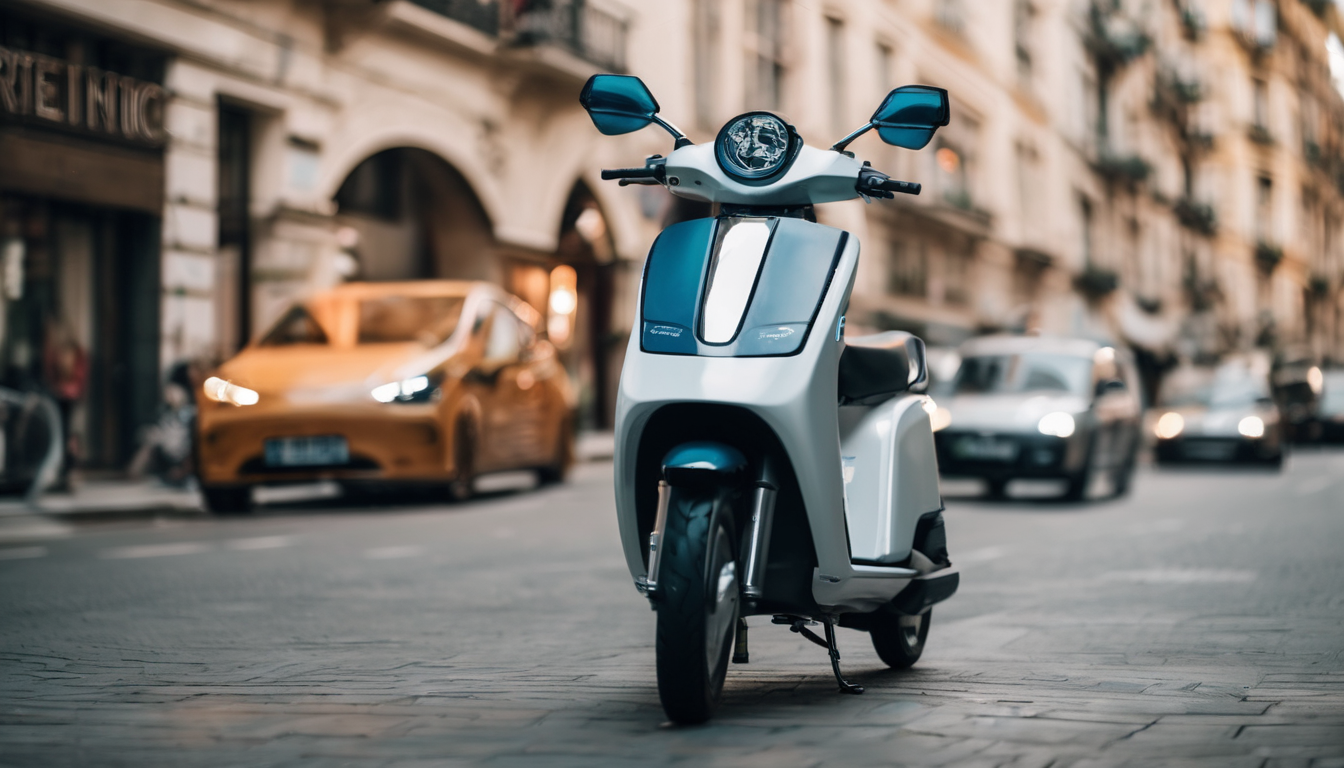
- ABS (Anti-lock Braking System): Available in models like the Ola S1 and Ather 450X, this feature prevents wheel lock-up during sudden braking.
- ESC (Electronic Stability Control): This feature, found in the Tata Nexon EV and MG ZS EV, helps maintain control during sharp turns or slippery conditions.
Upcoming EVs and Expected Safety Features
The upcoming MG Comet EV is expected to arrive equipped with advanced safety features like 6 airbags, Hill Descent Control, and Lane Departure Warning. Other anticipated launches, like the Mahindra eKUV100 and Renault Kwid EV, are also likely to sport impressive safety features.
Government Policies and Infrastructure
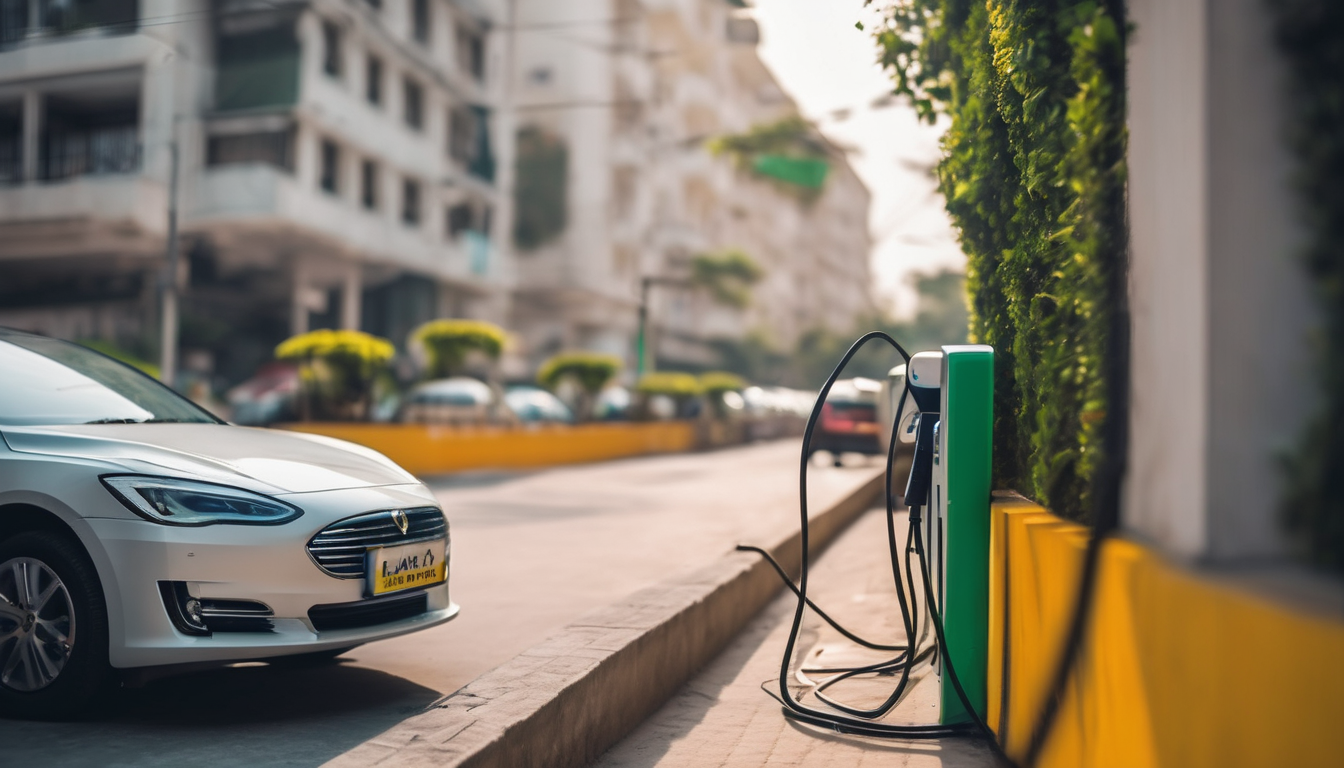
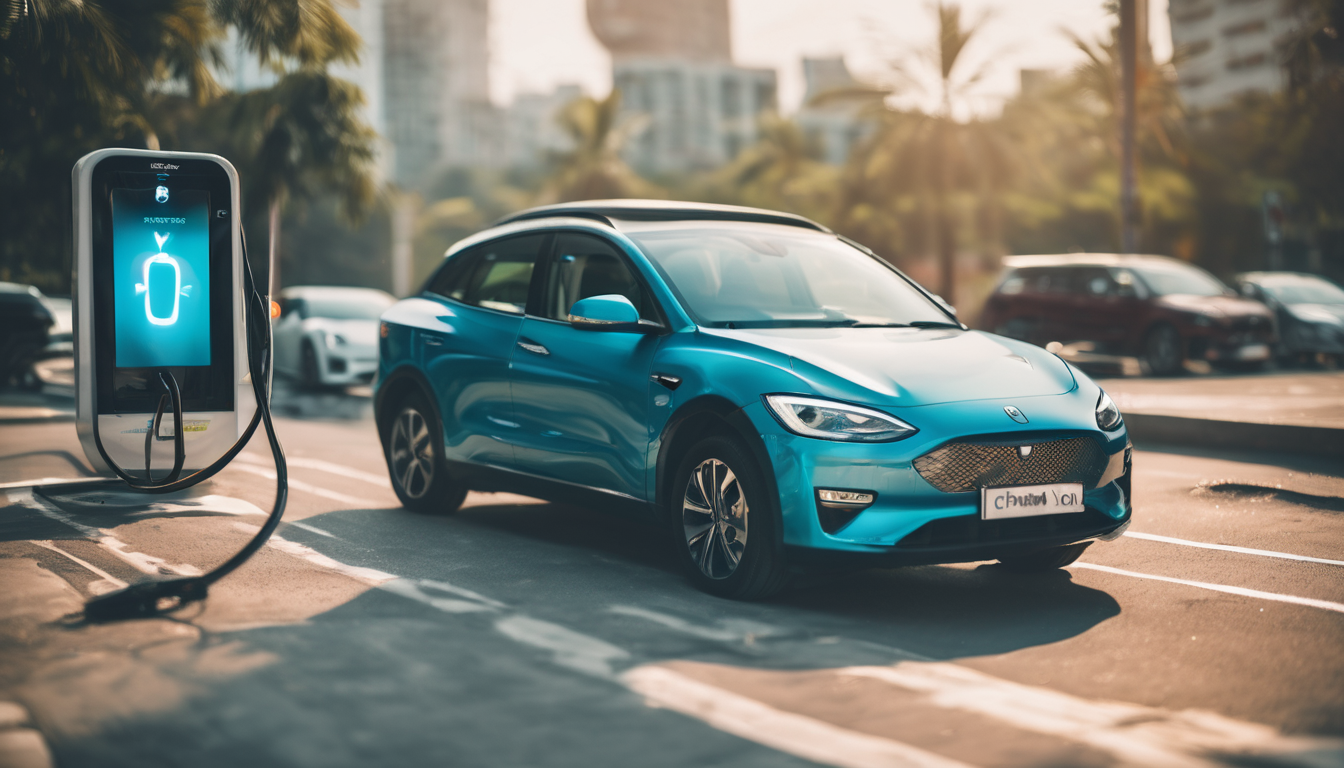
The Indian government has been promoting EV adoption through policies like FAME II, which provides incentives for EV manufacturers and charging infrastructure development. The rise in EV charging stations across India is a testament to these initiatives, making EVs not just a safer, but also a more convenient choice.
FAQs
- Are EVs safer than traditional vehicles? Yes, EVs are generally safer due to their lower center of gravity, reducing the risk of rollover accidents. Additionally, the absence of a combustible engine reduces the risk of fire.
- What is the safety rating of Ola S1? As of now, the Ola S1 has not been tested by GNCAP or any other safety rating agency.
- How many charging stations are there in India? As per the data from the Ministry of Power, as of 2022, there are over 1,000 public EV charging stations in India.
Conclusion
Choosing an electric vehicle is not just an eco-friendly decision, but also a safe one. With stringent safety ratings, advanced features, and supportive government policies, Indian EVs are well-equipped to provide a secure drive. Explore the world of EVs and make the switch today!
Stay updated with the latest EV launches and trends in the Indian market by bookmarking our page. Your journey towards a safer and greener future starts here.